Venue types
Outdoor & Garden Venues
If you want fresh air, natural light, or a setting that already feels festive before you add much decor, an outdoor or garden venue can be a strong fit. The right choice depends on your guest count, your city, your date, and your backup plan for weather, so it helps to compare spaces carefully before you book.
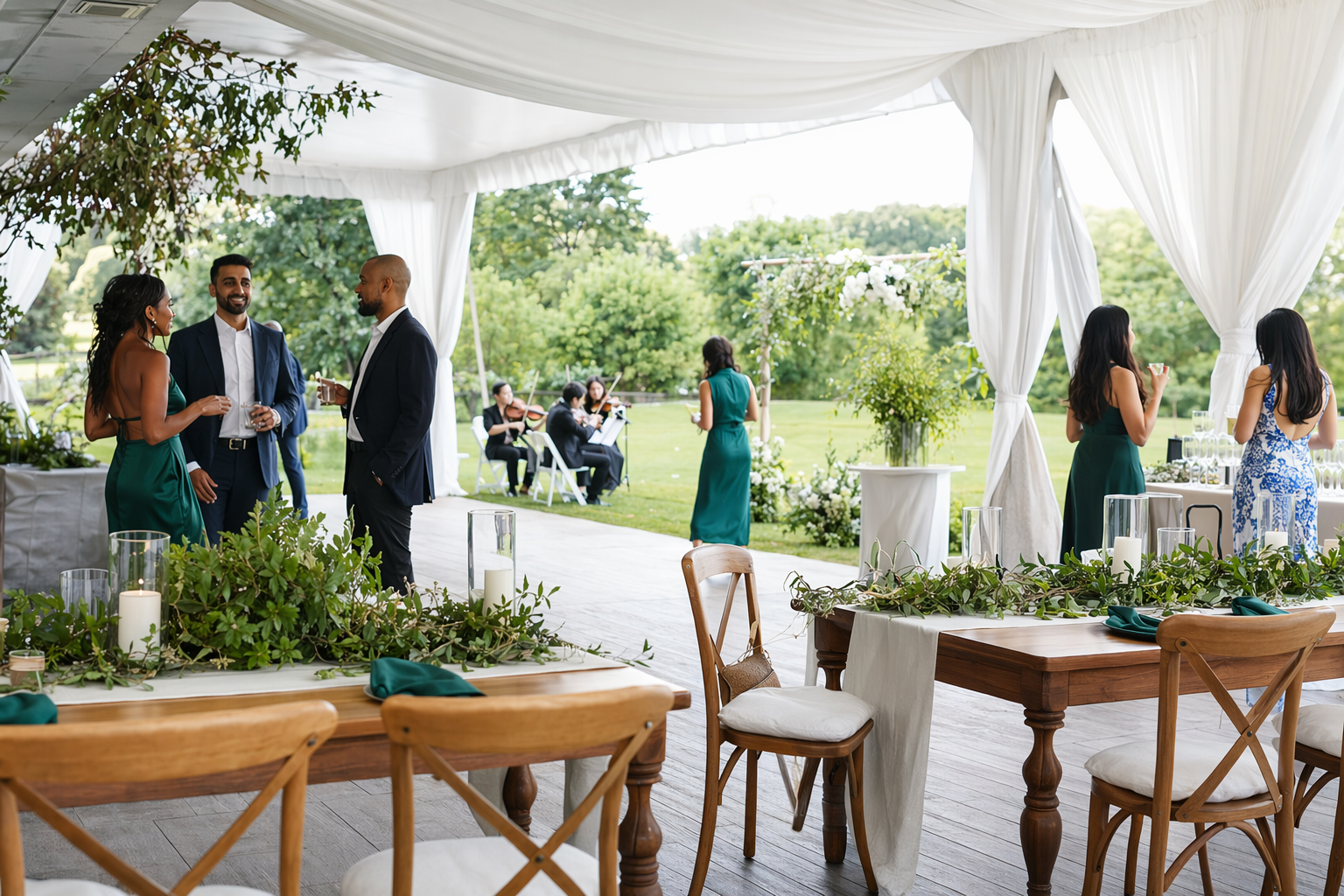
What outdoor and garden venues are good for
Outdoor and garden venues include private gardens, botanical spaces, vineyards, rooftops, courtyards, estates, ranches, barns with open grounds, waterfront lawns, and event spaces with indoor-outdoor flow. They work well when you want the setting itself to do part of the design work.
This venue type can fit many kinds of events:
- Weddings and multi-day wedding celebrations
- Quinceañeras and sweet 16s with photo-friendly backdrops
- Corporate receptions, team dinners, fundraisers, and summer parties
- Birthday parties, anniversaries, reunions, and graduation celebrations
- Cultural and religious events that need space for music, processionals, family seating, or outdoor cooking where allowed
Outdoor spaces are often a good fit if you want:
- A ceremony and reception in one place
- Sunset photos or mountain, garden, skyline, or vineyard views
- More room for children to move around
- Flexible layouts for dancing, lounge areas, lawn games, or multiple food stations
They may be less ideal if your guest list includes many elderly guests, anyone with mobility needs, or families with very young children and the site has uneven ground, gravel paths, stairs, limited shade, or restrooms that are far from the event area. If you are planning from another city or country, ask for a full site video, a weather backup walkthrough, and a written list of what is and is not included.
Guest count, layout, and weather planning
The first practical question is not just whether a venue is pretty. It is whether it can hold your event comfortably in both good weather and bad weather.
Outdoor venues vary a lot in usable capacity. A lawn that looks large in photos may feel tight once you add a stage, dance floor, buffet, bar, DJ setup, sweetheart table, and enough space for servers to move safely.
A few common layout realities:
- Ceremony seating usually needs more room than people expect, especially if you want a center aisle and clear sight lines.
- Dinner layouts depend on round tables, long tables, or a mix. Long tables can look beautiful outdoors, but they still need service aisles.
- Dance floors often need leveling, power access, and weather-safe covering.
- Tent placement matters. Not every lawn or courtyard can support a full tent, and some sites restrict staking.
- Noise rules can affect live bands, DJs, amplified speeches, and event end times.
- Parking and shuttles are a bigger issue at vineyards, farms, ranches, and mountain properties.
Ask the venue for capacities by setup, not just one maximum number. You want the seated dinner capacity, ceremony capacity, cocktail-style capacity, and the bad-weather capacity if everyone has to move under cover.
For many hosts, the best outdoor venue is one with an indoor room, covered pavilion, greenhouse, tent pad, or enclosed backup space on the same property. A real rain plan is more than, "we will figure something out." You should know exactly where guests go, how fast the switch can happen, whether extra rental costs apply, and who makes the weather call on event day.
Typical cost ranges and what drives the price
Outdoor and garden venue pricing can range widely. The real number depends on the date, the city, the guest count, and what is included. These ranges are examples, not quotes.
Typical venue-only or site-fee ranges you may see:
- Small outdoor spaces for 30 to 75 guests: about $1,500 to $6,000
- Mid-size gardens, rooftops, courtyards, or barns for 75 to 150 guests: about $4,000 to $12,000
- Large estates, vineyards, botanical venues, or premium view properties for 150 to 300+ guests: about $8,000 to $25,000+
If the venue includes food and beverage, pricing may be structured differently, such as:
- A site fee plus per-person catering
- A food-and-beverage minimum you must meet
- Package pricing for ceremony, cocktail hour, and reception
What usually pushes the total higher:
- Peak dates, especially spring and fall weekends
- Major metro areas or destination markets
- Sunset ceremony timing and extended rental hours
- Required tenting, flooring, heating, cooling, or generators
- Larger guest counts and more elaborate layouts
- Premium views, private estates, vineyards, and highly requested properties
- Onsite coordination requirements, security, valet, shuttle service, or restroom trailers
Common extra costs to look for:
- Service charges and taxes
- Ceremony fees
- Chair, table, linen, or tent rentals
- Power upgrades and lighting
- Overtime charges
- Vendor fees for outside catering or bar service
- Security, cleanup, or bathroom attendant fees
- Deposits and cancellation penalties
Before you pay a deposit, ask for a full estimate in writing. It should show the rental window, setup and breakdown rules, noise cutoff, payment schedule, and every expected fee. You can also review budget basics in How to Set an Event Venue Budget.
What is often included, and what is usually extra
Outdoor venues are not all sold the same way. Some are close to blank-slate rentals. Others include furniture, staffing, catering, and coordination.
Items that are often included:
- The event space for a set number of hours
- Existing tables and chairs
- Basic indoor restroom access
- Onsite parking, or a designated parking area
- A venue manager or site contact
- Standard cleanup of the venue's own spaces
Items that are sometimes included, sometimes extra:
- Ceremony arch, arbor, or backdrop area
- Bridal suite or private getting-ready room
- Indoor backup room for weather
- String lights, market lights, or landscape lighting
- Dance floor
- Setup and breakdown of tables and chairs
- In-house catering or bar packages
- Day-of coordinator or required venue coordinator
Items that are commonly extra at outdoor properties:
- Tents, sidewalls, heaters, fans, or misting equipment
- Specialty chairs, upgraded tables, linens, and tableware
- Portable restrooms or luxury restroom trailers for remote sites
- Generator rental or added electrical distribution
- Shuttle transportation from hotels or offsite parking
- Pest control measures, especially near water or wooded areas
- Flooring for grass, gravel, or uneven ground
If you are comparing two venues, compare them based on the full event cost, not the site fee alone. A lower rental price can become more expensive once you add tenting, power, transportation, and rentals.
Key questions to ask before you book
Touring an outdoor venue is less about imagining the photos and more about checking how the day will actually work.
Ask these questions directly:
1. What is the maximum guest count for my exact setup, and what is the backup-weather capacity?
2. What indoor or covered rain plan is available, and is it reserved for us in writing?
3. What are the start and end times for setup, event hours, music, and breakdown?
4. Are there noise restrictions, curfews, or limits on amplified sound, live bands, or cultural music traditions?
5. What is included in the rental, and what must be rented separately?
6. Are there exclusive or required vendors for catering, bar service, rentals, coordination, security, or valet?
7. Is the ground level enough for elderly guests, wheelchair users, dancing, and service staff?
8. How far are restrooms, parking, and loading areas from the main event space?
9. Is there enough power for lighting, catering, DJ, band, photo booth, and heating or cooling equipment?
10. What are the deposit, payment schedule, overtime rate, and cancellation terms?
It is smart to confirm every promise in writing, especially the rain plan, guest capacity, included rentals, and any verbal flexibility on timing. You are the one choosing who to book, so take time to compare more than one option.
How VenueGather helps you compare outdoor venues
If you already know your city, guest count, budget range, and event type, you can save time by getting matched with outdoor and garden venues that fit your needs. Matching is always free to the host.
When you submit your event details, you can share:
- Event type, such as wedding, quinceañera, corporate event, or party
- City or area
- Estimated guest count
- Preferred date or date range
- Budget range
- Needs like indoor backup space, parking, accessibility, outside catering, or bilingual support
Then you review your options, tour the spaces you like, compare policies and pricing, and choose who to contact or book. VenueGather is not a venue, caterer, or event operator, and no price or availability is guaranteed. Venues set their own pricing and calendars, so always confirm current details directly and get the final terms in writing before paying a deposit.
Ready to start? Get matched and tell us what kind of outdoor venue you want.
Choose an outdoor venue based on capacity, weather backup, total cost, and what is actually included, then confirm the final terms in writing before you book.
Common questions
Are outdoor venues only for weddings?
No. They are also popular for quinceañeras, engagement parties, corporate receptions, birthday celebrations, family reunions, graduations, and cultural or religious gatherings. The best fit depends on your layout, guest count, and weather backup needs.
How much does an outdoor or garden venue usually cost?
Many outdoor venues fall somewhere between about $1,500 and $25,000 or more, depending on the market, guest count, season, and what is included. The real number depends on the date, the city, the guest count, and what is included, and these ranges are examples, not quotes.
Do outdoor venues usually include a rain plan?
Some do, some do not. A strong option usually has an indoor room, covered pavilion, greenhouse, or tent-ready area on the same property. Ask exactly what happens in bad weather, whether that space is guaranteed for your event, and whether extra fees apply.
What extra costs surprise hosts most often at outdoor venues?
Tents, flooring, heaters or fans, upgraded lighting, restroom trailers, generators, shuttle service, security, and overtime are common surprise costs. Service charges, taxes, and food-and-beverage minimums can also change the total quickly.
Can I use my own caterer or bring cultural food traditions to an outdoor venue?
Sometimes, but not always. Some venues require in-house catering or approved vendors. Others allow outside catering but charge vendor fees or require extra insurance. If your event includes specific cultural or religious food traditions, ask about kitchen access, open flame rules, grilling, and cleanup requirements.
How does VenueGather matching work?
You share your event details, such as location, guest count, date range, budget range, and venue needs, and we help connect you with venues that may fit. Matching is free to the host, but venues control their own prices and availability, so you should confirm everything directly before booking.