Venue types
Wedding Venues
If you are comparing wedding venues, start with the decisions that change everything first: your guest count, your budget range, your city, and whether you want a weekday, weekend, peak-season, or off-season date. Wedding venues can work for everything from a simple ceremony and dinner to a full weekend celebration, but the real price and availability depend on the date, the city, the guest count, and what is included, so any range you see here is an example, not a quote.
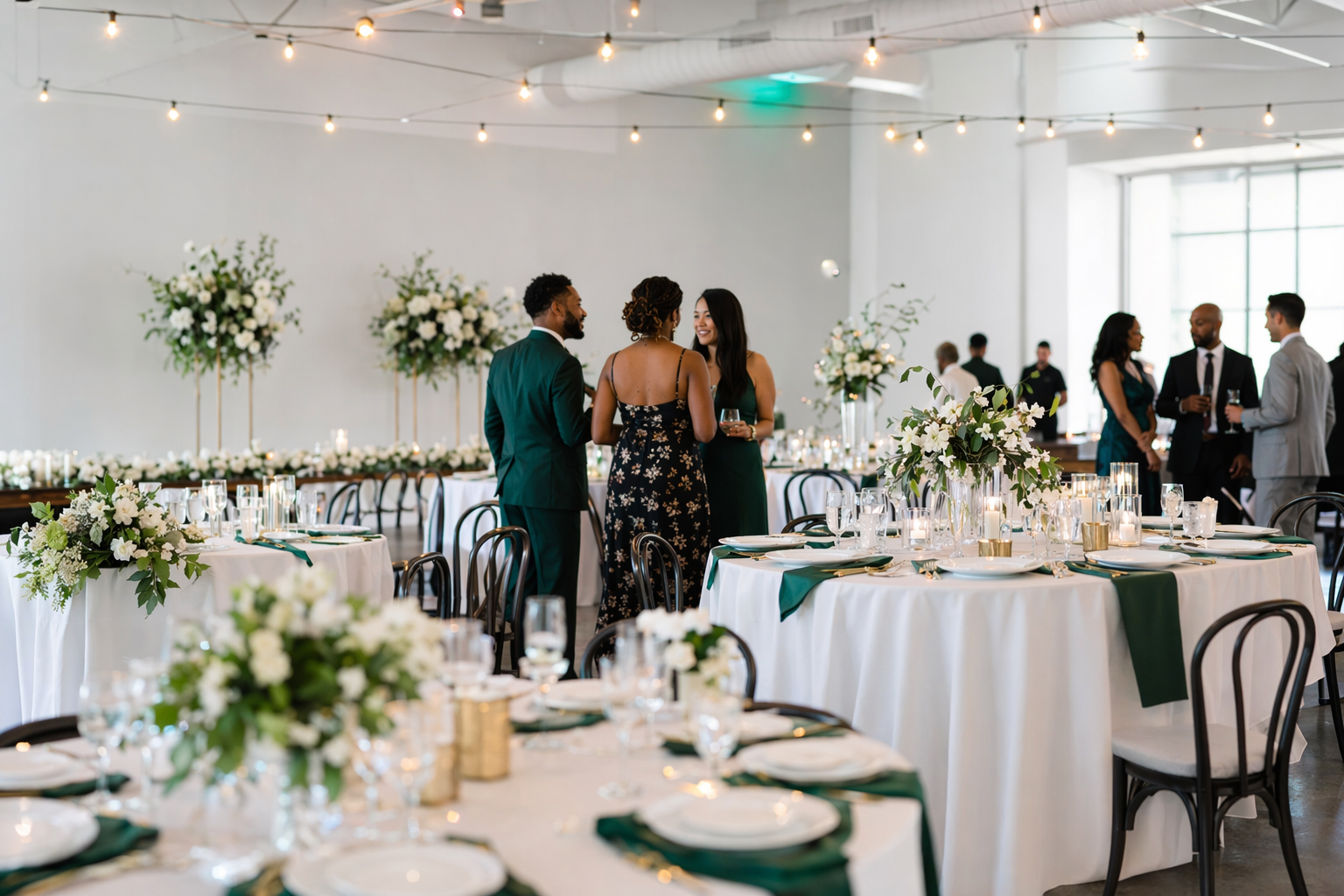
What wedding venues are good for
Wedding venues are designed for couples who want a dedicated place to host some or all of the wedding day, and sometimes related events like a welcome party, rehearsal dinner, morning-after brunch, or cultural and religious celebrations with multiple parts.
They can be a good fit if you want:
- A ceremony and reception in one place
- Indoor, outdoor, or backup-weather options
- Space for dining, dancing, speeches, and photos
- A team that regularly hosts weddings and understands timelines
- A venue that can work with your traditions, vendors, and guest needs
This venue type can work for many styles of celebrations, including:
- Civil ceremonies and receptions
- Multicultural weddings with outfit changes, separate rituals, or extended family participation
- Interfaith celebrations
- Destination weddings planned from another city or another country
- Smaller weddings with a private dining feel
- Larger receptions with a dance floor, stage, and late-night service
Some couples want a ballroom with full service. Others want a garden, rooftop, restaurant buyout, estate, loft, hotel, community hall, or banquet space they can customize. Your best option depends on how formal you want the day to feel, how much support you want from the venue, and how many moving parts your wedding includes.
Guest count and layout: choose the room around your real headcount
Guest count affects almost every venue decision, including room size, rental fee, food-and-beverage minimums, staffing, parking, and whether your floor plan will feel comfortable or crowded.
A few practical planning ranges:
- Up to 50 guests: private dining rooms, small gardens, inns, boutique hotels, studios, and intimate event spaces often work well.
- 50 to 120 guests: many restaurants with event rooms, smaller ballrooms, lofts, courtyards, and all-in-one wedding spaces fit this range.
- 120 to 250 guests: hotel ballrooms, banquet halls, larger estates, and dedicated wedding venues become more common.
- 250+ guests: large ballrooms, convention-style event spaces, major banquet venues, and some cultural event halls are usually the most realistic options.
Layout matters just as much as capacity. When you tour, ask to see examples for your approximate guest count and preferred setup:
1. Ceremony only
2. Reception only
3. Ceremony plus reception flip in the same room
4. Separate ceremony, cocktail hour, and reception spaces
5. Sweetheart table, head table, or family-style seating
6. Dance floor, DJ or band area, stage, photo booth, kids' table, and dessert display
A venue may list a high maximum capacity, but that number is often for a standing event or a tighter layout than most weddings want. If you want a large dance floor, wide aisles, wheelchair access, room for strollers, or space for cultural elements like a mandap, chuppah, tea ceremony setup, or live musicians, confirm that in writing before you book.
Typical wedding venue costs, and what drives the real number
Wedding venue pricing varies widely. In many U.S. markets, couples may see examples like these:
- Small or simple venue rental: about $1,500 to $6,000
- Mid-range wedding venues: about $5,000 to $15,000
- Large, premium, or high-demand venues: about $15,000 to $40,000+
- Full-service venues with food and beverage: total event spending may land anywhere from $75 to $300+ per person, sometimes more in high-cost cities or luxury properties
These are examples, not quotes. The real number depends on the date, the city, the guest count, and what is included.
Common price drivers include:
- Day of week: Saturdays usually cost more than Fridays, Sundays, or weekdays
- Season: spring and fall are often peak wedding seasons in many cities
- Time of day: evening receptions may cost more than brunch or afternoon events
- Guest count: more guests usually means higher food, beverage, rental, and staffing costs
- Venue type: hotels, historic properties, rooftops, estates, restaurants, and banquet halls are priced differently
- Included services: tables, chairs, linens, catering, bar service, coordination, setup, cleanup, and AV can change the total significantly
- Minimums and fees: food-and-beverage minimums, service charges, taxes, security, valet, cake-cutting, corkage, ceremony fees, and overtime all add up
If you are building your budget now, it helps to ask venues for an estimated all-in total for your guest count and preferred date pattern, not just the base rental fee. You can also review how to set an event venue budget before you tour.
What is often included, and what may cost extra
Every venue packages weddings differently. Some are nearly turnkey. Others provide the space only and leave the rest to you.
What is often included:
- Use of the event space for a set number of hours
- Standard tables and chairs
- Basic setup and breakdown
- On-site venue manager or event contact
- Restrooms, climate control, and parking details
- In-house catering or a preferred caterer list at some properties
- Basic linens, glassware, flatware, and dinnerware at some full-service venues
- Bridal suite, getting-ready room, or private holding room at some venues
What is often extra:
- Ceremony fee
- Additional hour or overtime charges
- Food and beverage, if not part of the package
- Bar packages, bartender fees, corkage, or outside alcohol fees
- Upgraded chairs, specialty linens, charger plates, lounge furniture, and décor
- Audio-visual equipment, microphones, projector, screen, or sound technician
- Security, valet, coat check, attendant fees, and janitorial fees
- Cake-cutting, dessert service, or late-night snack service
- Vendor meals
- Tent, heater, or rain-plan costs for outdoor spaces
- Damage deposit or security deposit
Also ask about the fine print. Some venues require a nonrefundable deposit, a payment schedule, event insurance, approved vendors, or a guaranteed guest count by a certain date. Before you pay anything, confirm the cancellation terms, rescheduling policy, access times, and total estimated charges in writing.
Questions to ask before you choose a wedding venue
A pretty room is not enough. The right venue should fit your guest list, your timeline, your traditions, and your budget.
Bring these questions to every tour:
1. Is my preferred date available, and if not, what nearby dates are open?
2. What is the maximum seated capacity for my exact layout?
3. What is the estimated total for my guest count, including service charges, taxes, rentals, and any minimums?
4. What is included in the base price, and what usually becomes an extra charge?
5. How many hours are included, and what does overtime cost?
6. Can we hold both the ceremony and reception here? Is there a weather backup plan?
7. Are there restrictions on music volume, end time, candles, décor, or cultural ceremony elements?
8. Do you require in-house catering or a preferred vendor list?
9. Is the venue accessible for older guests, wheelchair users, and families with children?
10. How do parking, valet, rideshare access, and hotel blocks work?
11. What deposit is required, and what are the cancellation and rescheduling terms?
12. Who will be my point of contact on the event day?
If family members are helping you decide, bring them to the tour or share photos, floor plans, and pricing summaries afterward. You are the one comparing options and choosing who to book, so keep all details in writing and review the contract carefully before signing.
Get matched with wedding venues near you, free
If you want to save time, VenueGather can help you get matched with wedding venues near you based on the details that matter most: your city, guest count, budget range, date or season, and the style of celebration you are planning.
Matching is always free to the host. We are not a venue, caterer, or event operator, and we do not guarantee price or availability. Venues set their own pricing, packages, and calendars.
You share your event details, then you review the options that fit. From there, you can tour, compare, ask questions, and choose who to contact or book. Help is available in your own language, which can be especially useful if you are planning from another city, coordinating with family abroad, or hosting a multicultural celebration with specific needs.
Ready to start? Get matched with wedding venues near you.
Choose a wedding venue based on your real guest count, budget, city, and date, then compare the full written cost, what is included, and the contract terms before you book.
Common questions
How far in advance should I book a wedding venue?
In many markets, couples start looking 9 to 18 months ahead for popular dates, especially Saturdays in peak season. Some venues can accommodate shorter timelines, particularly for weekdays, Sundays, off-season dates, or smaller weddings. Availability depends on the city, the date, and the venue type.
What is the difference between a venue rental fee and a food-and-beverage minimum?
A rental fee is the cost to use the space. A food-and-beverage minimum is the amount you are required to spend on catering and drinks before service charges and taxes, depending on the contract. Some venues have both. Always ask for an estimated all-in total so you can compare options fairly.
Can I bring my own caterer, décor, or cultural food vendors?
Sometimes, but not always. Some wedding venues require in-house catering or a preferred vendor list. Others allow outside vendors, sometimes with extra fees, insurance requirements, or kitchen rules. If your wedding includes specialty cuisine, religious requirements, or family vendors, confirm those policies early.
Are wedding venues only for large formal weddings?
No. Wedding venues can work for intimate ceremonies, brunch weddings, restaurant receptions, courthouse follow-up celebrations, and larger formal events. The best fit depends on your guest count, budget, and how much support you want included.
What hidden costs should I watch for?
Common add-ons include service charges, taxes, ceremony fees, overtime, cake-cutting, corkage, security, valet, rentals, staffing, and cleanup fees. Ask for a written estimate that shows every expected charge, plus deposit terms and cancellation rules, before you book.
How does VenueGather matching work for wedding venues?
You share your event details, such as location, guest count, budget range, and timing, and VenueGather helps you find wedding venue options that may fit. Matching is free to the host. You still tour, compare, ask questions, and confirm pricing, availability, and contract terms directly with the venue before paying a deposit.