Planning guides
Hotel ballroom vs. standalone venue
Choosing between a hotel ballroom and a standalone venue usually comes down to four things: your guest count, your budget, how much control you want, and whether convenience matters more than customization. Both can work beautifully for weddings, quinceañeras, corporate events, parties, and cultural or religious celebrations, but the better fit depends on your date, city, guest count, and what is included, so any prices below are examples, not quotes.
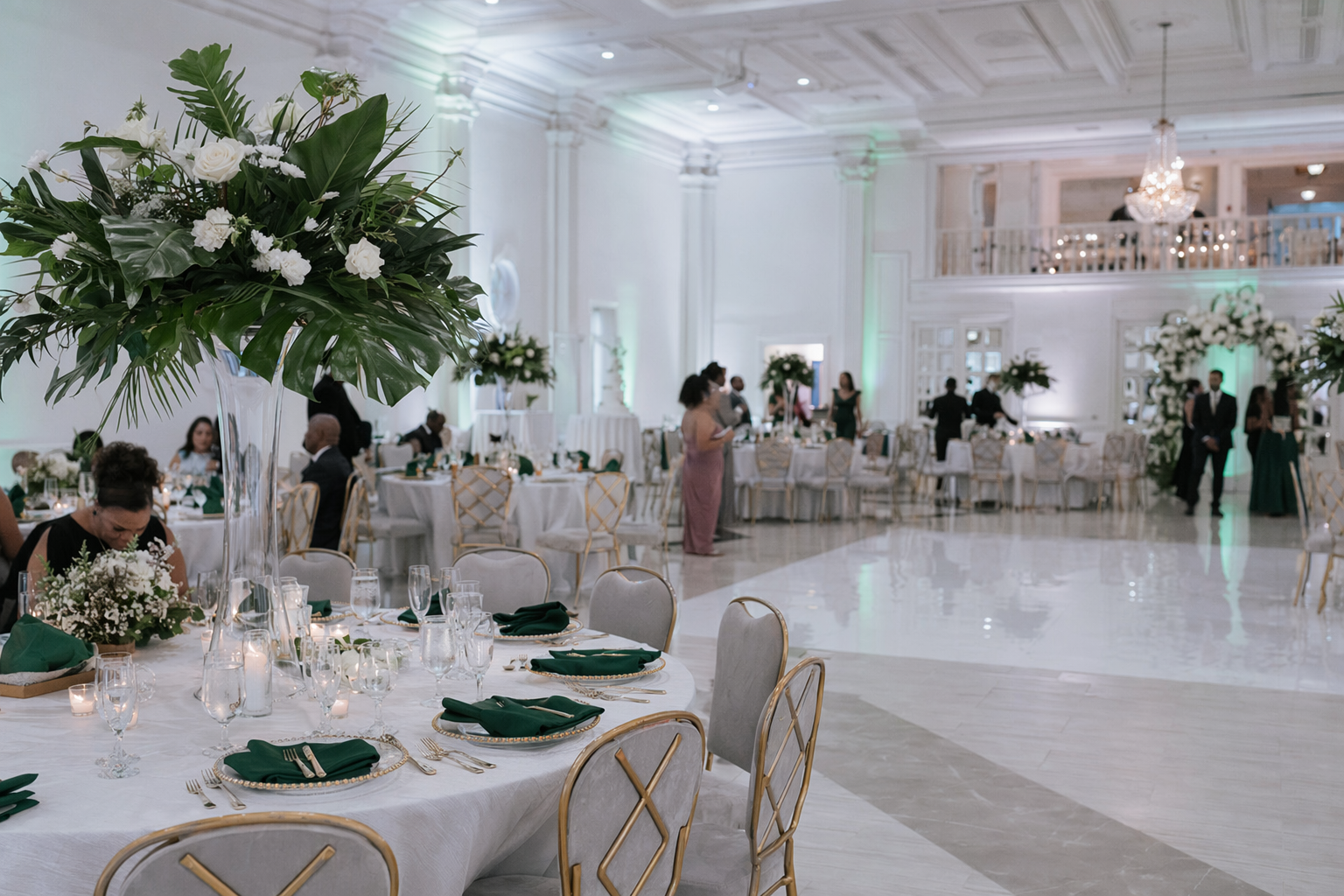
Hotel ballroom vs. standalone venue at a glance
A hotel ballroom is usually the easier, more bundled option. It often makes sense if you want guest rooms on site, an experienced banquet team, built-in tables and chairs, and a smoother plan for out-of-town guests. This can be especially helpful for weddings with traveling family, multi-day cultural celebrations, or corporate events with attendees flying in.
A standalone venue often gives you more personality and more freedom. That might mean an industrial loft, historic hall, garden venue, private estate, rooftop, community banquet hall, or modern event space. These venues can be a strong fit if you care about a specific look, want more vendor choice, or need flexibility for food traditions, decor, or timing.
In simple terms:
- Choose a hotel ballroom if convenience, lodging, weather backup, and an all-in-one setup matter most.
- Choose a standalone venue if style, customization, and potentially wider vendor options matter most.
Neither option is automatically cheaper or better. The real total depends on the city, the season, the day of the week, your guest count, and whether catering, staffing, rentals, parking, and cleanup are included.
Cost: which one is actually more affordable?
This is where many hosts get surprised. A hotel ballroom can look expensive at first, but sometimes the package includes enough services that the final total is more predictable. A standalone venue can look cheaper on the rental line, but the full cost may rise once you add catering, rentals, staffing, security, bartenders, setup, teardown, and coordination.
For example, for a mid-range event of around 100 to 150 guests in many U.S. markets:
- Hotel ballroom packages might start around $80 to $220 per person when food, basic bar service, tables, chairs, linens, and banquet staffing are included.
- Standalone venue rental might range from about $3,000 to $12,000+ for the space alone, then you may add catering, rentals, service staff, bar service, and other vendor costs separately.
In higher-cost cities or peak seasons, both options can rise significantly. In smaller markets, weekday dates, or off-peak months, either option may come in lower.
Watch the fine print on both sides:
- Service charges and taxes can add a substantial amount to hotel catering packages.
- Food-and-beverage minimums are common in hotels and some private venues.
- Rental minimums for tents, upgraded linens, china, staging, dance floors, or lounge furniture can increase standalone venue budgets.
- Overtime fees may apply if your event runs late.
- Ceremony fees, valet fees, corkage, cake-cutting, green room charges, security, and cleanup fees can appear in either type of contract.
- Deposits and cancellation terms vary a lot, so confirm deadlines and refund rules in writing.
A good way to compare fairly is to ask each venue for an estimated total before tax and after common fees, based on your real guest count and event type. You can also use guides for setting an event venue budget before you tour.
Comfort and convenience: where will guests feel most taken care of?
Hotel ballrooms usually win on convenience. If you have elders, young children, guests arriving from another city or country, or a celebration that stretches across several hours or days, the hotel setup can reduce stress. People can stay overnight, use elevators instead of stairs, gather in the lobby, and move from ceremony to reception to room without arranging more transportation.
That convenience matters for:
- weddings with many out-of-town guests
- quinceañeras with large family attendance
- conferences, galas, and company celebrations
- religious or cultural events with multiple gatherings in one weekend
Standalone venues can still be very comfortable, but you may need to build that convenience yourself. That could mean arranging nearby hotel blocks, transportation, valet, weather backup, accessible restrooms, dressing areas, or extra rentals for climate control.
Questions to ask while touring:
1. Is there enough parking, and is it free or paid?
2. Are there private getting-ready rooms or family rooms?
3. How easy is the load-in for decor, musicians, AV, or ceremonial items?
4. Is the space wheelchair accessible, and are elevators available if needed?
5. What is the rain plan or heat plan?
6. Can older guests hear clearly and move comfortably through the space?
If your priority is a smooth guest experience with fewer moving parts, a hotel ballroom often has the edge. If your priority is atmosphere first, a standalone venue may still be worth the extra logistics.
Control and customization: how much freedom do you want?
This is often the deciding factor. Standalone venues frequently give you more room to shape the event around your traditions, design ideas, and preferred vendors. That can be important if you want a specific caterer, need room for cultural rituals, want a late-night snack station, or plan to bring in specialty entertainment, custom staging, or detailed floral installations.
Hotels can be more structured. That is not always a bad thing. Clear rules can make planning simpler. But some hotels have approved vendor lists, in-house catering requirements, bar restrictions, decor rules, loading dock schedules, or limits on open flames, hanging installations, outside desserts, or amplified music hours.
Standalone venues may offer more freedom with:
- outside catering or culturally specific cuisine
- custom floor plans
- independent bar programs in some cases
- extended decor installations
- more distinctive architecture or scenery
- flexible ceremony and reception layouts
Hotels may offer more simplicity with:
- in-house catering and banquet staff
- built-in backup plans for weather
- standard tables, chairs, linens, and dinnerware
- experienced event managers used to large guest counts
- easier coordination for guest rooms and meeting spaces
If food traditions, ceremony details, or a highly personal design matter a lot, ask early whether the venue can support your plans. Confirm every policy in writing before paying a deposit, especially around catering, vendor access, music end times, and setup windows.
How to choose the better fit for your event
A hotel ballroom may be the better choice if:
- many guests are traveling
- you want lodging, event space, and catering in one place
- you prefer a package with fewer separate vendors
- your guest count is large and you need predictable service infrastructure
- weather backup is important
A standalone venue may be the better choice if:
- you want a strong visual style or non-hotel atmosphere
- you need more flexibility for vendors, food traditions, or timing
- you are comfortable managing more planning details
- you want to compare catering and rental options separately
- your event vision depends on customization
If you are unsure, compare both using the same checklist:
1. Total estimated cost, including common fees.
2. What is included, and what you still need to rent or hire.
3. Vendor rules and catering rules.
4. Guest comfort, parking, accessibility, and weather plan.
5. Setup time, end time, overtime, and cleanup responsibilities.
You do not need to guess from photos alone. Tour both types of spaces, ask for itemized estimates, and compare them side by side. If you want help finding options near you, get matched for free. VenueGather helps hosts compare venues in their own language, and you choose who to contact and what to book.
Choose a hotel ballroom for convenience and built-in services, or a standalone venue for more style and flexibility, then compare total cost and rules in writing before you book.
Common questions
Is a hotel ballroom always more expensive than a standalone venue?
No. A hotel ballroom can cost more per person on paper, but it may include catering, staffing, tables, chairs, linens, and coordination that you would pay for separately at a standalone venue. A standalone venue may have a lower rental fee and still end up costing more once you add vendors and rentals. The real number depends on the date, city, guest count, and what is included.
Which option is better for cultural or religious celebrations?
Either can work well, depending on the venue's policies and layout. Standalone venues often offer more flexibility for outside catering, specialty cuisine, custom ceremony setups, and personalized decor. Hotel ballrooms may be better for multi-day events, large family groups, and guests traveling from far away. Ask about food policies, ceremonial needs, music timing, and vendor access before you book.
Are hotel ballrooms easier for out-of-town guests?
Usually, yes. On-site guest rooms, elevators, restrooms, parking, and weather-protected indoor spaces can make the day simpler for traveling guests, elders, and families with children. That said, some standalone venues near strong hotel clusters can offer a similar experience if you arrange lodging and transportation carefully.
What should I compare before paying a deposit?
Compare the estimated total cost, service charges, taxes, food-and-beverage minimums, rental needs, deposit schedule, cancellation terms, overtime fees, vendor rules, setup and teardown windows, parking, accessibility, and backup plans. Get all of it in writing. You are the one choosing who to book, so it helps to review each proposal line by line before you sign.