Planning guides
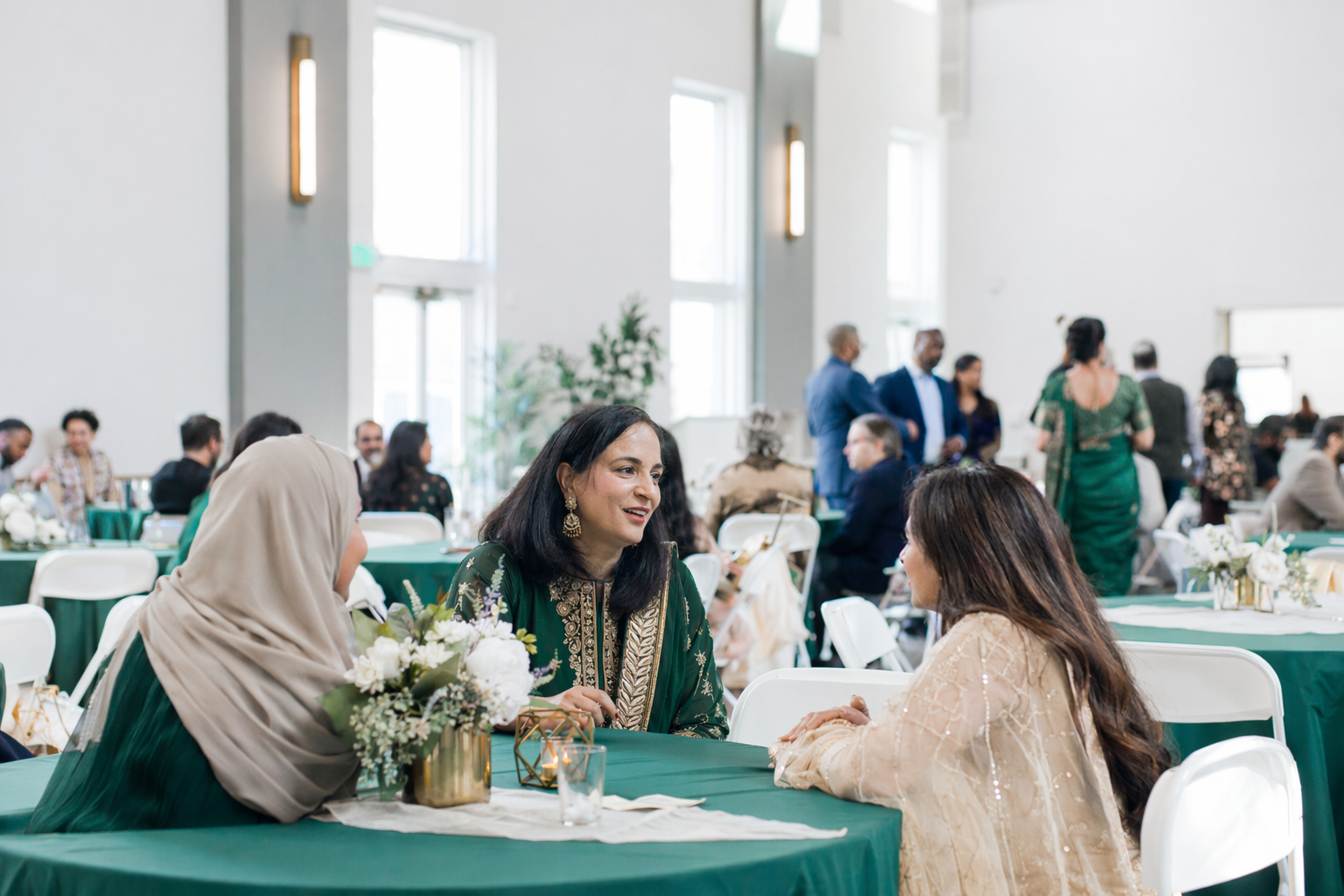
Planning a cultural or religious celebration
When you are planning a cultural or religious celebration, the venue has to do more than fit your guest count and budget. It also needs to respect your traditions, allow the food, music, ceremony, and timing you need, and work for family traveling from near or far.
Start with the non-negotiables before you tour venues
Before you ask about style or decor, write down the parts of the celebration that cannot change. This helps you rule out venues quickly and avoid paying for tours that are not a fit.
Make a short planning brief with:
- Event type and traditions: wedding ceremony, engagement party, nikah, tea ceremony, sangeet, quince misa and reception, baptism celebration, holiday gathering, memorial meal, temple or church milestone, cultural coming-of-age event, or community banquet
- Guest count range: for example 80 to 120, 150 to 200, or 300+
- Preferred city or neighborhood: especially important if many guests do not drive
- Target date and backup dates: peak Saturdays usually cost more and book faster
- Food needs: outside catering, halal, kosher, vegetarian, vegan, no pork, no alcohol, separate prep areas, family-style service, late-night food
- Ceremony needs: prayer space, altar orientation, mandap/chuppah space, stage, dance floor, room flip, procession route, quiet room, gender-separated areas if needed
- Music and timing: live band, DJ, drummers, amplified sound, curfew, early-morning ceremony, late-night celebration
- Decor and customs: open flame, candles, incense, confetti restrictions, ceiling hanging points, floral installations, cultural backdrops
- Accessibility and travel: elevators, parking, nearby hotels, airport access, shuttle loading area
If you are still setting priorities, how to set an event venue budget can help you decide what matters most before you start comparing places.
Know the venue rules that affect cultural traditions
Many venues look beautiful online but have policies that make certain celebrations hard to host. Ask for the rules in writing before you fall in love with a space.
Key questions to ask every venue:
- Can we bring our own caterer? This matters if your community relies on a specific restaurant, family caterer, halal or kosher provider, or religiously appropriate kitchen process.
- Is outside food allowed for desserts or ceremonial items? Think sweets tables, wedding bread, tea service, fruit displays, or ceremonial cakes.
- Are there restrictions on music, drums, dancing, or sound levels? Some venues have hard curfews like 10 p.m. or 11 p.m.
- Can we hold a ceremony and reception in the same place? Ask about room flips, setup time, and whether ceremony chairs are included.
- Are candles, incense, or ceremonial flames allowed? If yes, ask whether they must be enclosed.
- Is alcohol required, optional, or restricted? Some hosts want a dry event, and some venues are built around bar minimums.
- Is there a required vendor list? A required caterer or planner can change both cost and flexibility.
- Can decor be installed early, and can it stay late for pickup? Important for multi-part celebrations and large family-made decor.
A venue can be a great fit even if it has limits, but you need those limits early. You are comparing options, not trying to force one space to work.
Build a realistic venue budget, including the fees people miss
For cultural and religious celebrations, the venue cost is often only one part of the total. The real number depends on the date, the city, the guest count, and what is included. These ranges are examples, not quotes.
Common venue pricing you may see in the U.S.:
- Community hall or house of worship event space: about $800 to $4,000
- Banquet hall: about $3,000 to $12,000 for room rental, sometimes more if food is included
- Hotel ballroom: about $5,000 to $20,000+, often tied to food-and-beverage minimums
- Restaurant private event space: about $1,500 to $8,000+, often with a minimum spend instead of a flat rental fee
- Unique venue or estate: about $4,000 to $15,000+ depending on location and access
Ask every venue for a sample estimate that shows:
- Room rental fee
- Food-and-beverage minimum, if any
- Tables, chairs, linens, china, and setup included or extra
- Service charges
- Taxes
- Security or cleaning fees
- Ceremony fee, if separate
- Overtime rate, often charged by the hour
- Deposit amount and due date
- Cancellation terms
A room that looks cheaper at first can cost more if you must use the in-house caterer, rent every table and chair, or end the event earlier than your tradition usually does. Bring your own budget worksheet or review how to compare venue quotes so you are looking at the full cost, not just the headline number.
Tour with a checklist focused on ceremony flow and guest comfort
A venue tour should answer one question: can your celebration happen here comfortably and respectfully from start to finish?
Bring a checklist and walk through the event in order:
- Arrival: Where do elders, families with children, and out-of-town guests enter? Is parking close and well lit?
- Ceremony: Is there enough room for the officiant, ceremonial structure, musicians, and family seating?
- Transitions: If you need prayer, outfit changes, a cocktail hour, or a room flip, where does each part happen?
- Dining: Can the room hold your actual guest count with the table layout you want?
- Dancing and performances: Is there space for circle dances, a live band, drummers, or family performances?
- Food service: Can your caterer load in easily? Is there prep space, refrigeration, or a warming area?
- Privacy: Are there private rooms for prayer, nursing parents, elders, or a bridal party changing area?
During the tour, take photos of:
- Ceiling height and hanging points
- Entrance width for decor or ceremonial items
- Stage, built-in bar, and dance floor placement
- Restrooms and elevator access
- Kitchen or caterer staging area
- Loading dock or vendor entrance
If many guests are coming from another city or another country, ask about nearby hotels, airport travel time, and whether shuttles can load safely. A venue that is slightly less glamorous but easier for family to reach may be the better choice.
Ask how flexible the venue is with outside vendors and family traditions
Some of the best cultural celebrations depend on trusted community vendors and family participation. That can include a relative coordinating sweets, a community caterer, a religious musician, or a decorator who understands the symbolism of the event.
Ask these practical questions:
- Can we use our own caterer, baker, decorator, DJ, or religious officiant?
- Does the venue require licensed and insured vendors? If so, how much insurance is needed?
- Can family members bring ceremonial items and set them up?
- How early can vendors arrive? Some cultural setups need 4 to 8 hours, not 1 to 2.
- Who handles cleanup of ceremonial items, floral pieces, and rentals?
- If our program runs long, what is the overtime rate and latest end time?
This is also the moment to discuss anything that may not be common for every venue team, such as shoe removal in certain areas, separate service tables, modesty needs, prayer breaks, or a custom ceremony layout. A good venue does not need to know every tradition already. It needs to be respectful, organized, and clear about what it can support.
If you want help finding places that may be a better fit for your needs, get matched and share your city, guest count, date, and must-haves. Matching is free to the host.
Confirm everything in writing before you pay a deposit
Once you have a top choice, slow down and confirm the details. Verbal yeses are not enough, especially when traditions, timing, and outside vendors matter.
Before you sign, make sure the agreement or event order lists:
- Exact event date and access times
- Number of spaces you are using
- Guest count assumptions and final count deadline
- Ceremony plus reception details, if both are included
- Outside catering approval, if allowed
- Specific vendor rules and insurance requirements
- Setup and breakdown times
- Sound curfew and event end time
- Alcohol policy
- Overtime charges
- Deposit amount, payment schedule, and refund terms
- What is included in the price and what costs extra
Then do one more check with your lead family decision-makers and key vendors. You are the host, and you should feel clear about the plan before sending any deposit.
A simple final step list:
- Compare 2 to 4 serious options.
- Request written estimates from each.
- Review policies line by line.
- Confirm the celebration flow works in the space.
- Book only when the written terms match what you need.
That extra review can save you from expensive last-minute changes.
Choose a venue only after you confirm, in writing, that it fits your guest count, budget, traditions, timing, food needs, and vendor plans.
Common questions
How far in advance should I book a venue for a cultural or religious celebration?
For popular dates, many hosts start looking **9 to 15 months ahead**, especially for spring and fall Saturdays. Smaller events or off-peak dates may have more flexibility. The right timeline depends on your city, date, guest count, and whether you need outside catering or special ceremony accommodations.
Can I bring outside catering for a religious or cultural event?
Sometimes yes, sometimes no. Many community halls and some independent venues allow it, while hotels and some banquet halls may require in-house catering or a preferred list. Always ask whether outside catering, ceremonial foods, and specialty desserts are allowed, and get the answer in writing.
What if my celebration has both a religious ceremony and a reception?
Look for a venue that can handle the full event flow, not just the meal. Ask whether there is space for the ceremony, how room flips work, how long setup takes, and whether there is a separate fee for the ceremony portion. Confirm access times so your vendors and family are not rushed.
Are dry events harder to book at banquet halls or hotels?
They can be, but many venues do host dry events. The issue is often financial, not personal, because some venues expect bar revenue or have minimums tied to food and beverage. Ask early whether alcohol is optional, whether a dry event changes pricing, and whether there are any minimums you still must meet.
How can I tell if a venue will truly respect our traditions?
Pay attention to how the team responds to specific questions. A respectful venue will explain its policies clearly, ask practical follow-up questions, and put approvals in writing. You do not need a team that already knows every detail of your tradition. You need one that is honest, organized, and willing to work with your actual event needs.