场地类型
文化庆典场地
策划文化或宗教庆典,通常会先从几个实用问题开始:你需要安排多少宾客、场地需要支持哪些传统或仪式,以及你的预算在现实中能覆盖多少。文化庆典场地既可以出色地承办婚礼、十五岁成人礼、节日聚会、贴近祈祷的庆祝活动、里程碑仪式和社区活动;但合适与否,取决于日期、所在城市、宾客数量以及场地包含的内容。 文化庆典场地尤其适合承办: 这些场地可能很适合承办: - 文化主题婚礼以及多段式婚礼周末 - 十五岁成人礼和十六岁甜蜜派对(含正式入场、舞蹈以及家庭座位安排) - 在其他地点的仪式前后举办的宗教里程碑活动 - 社区宴会、节日聚会与协会活动 - 命名仪式、订婚派对、周年庆祝与家族团聚 - 由长辈、孩子和外地宾客一起参加的活动 有些主办方需要场地允许从社区里可信赖的厨师或餐厅提供外烩餐饮。也有些则需要舞台用于表演、预留祈祷空间或更衣空间,或对着装较得体有要求时具备灵活性、提供独立的家庭区域,或安排到较晚的时段。你最了解你的活动,所以建议带着一份“不可协商清单”实地考察,并将每个场地与清单逐项对照。 如果你还在进一步缩小选择范围,[免费为你匹配](/get-matched/),对比与活动类型、城市和宾客数量相匹配的场地。
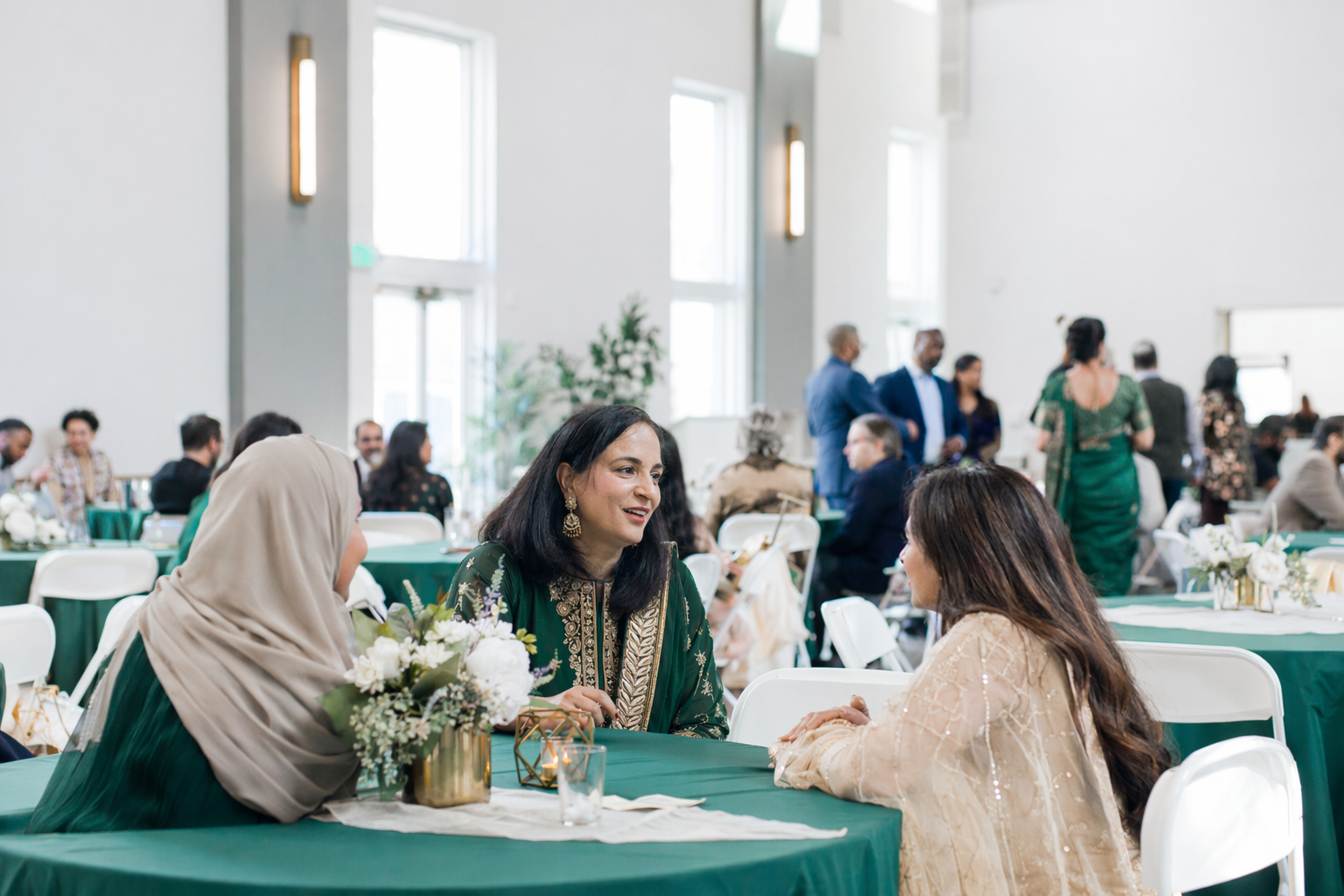
What cultural celebration venues are good for
Cultural celebration venues are spaces that can accommodate traditions, family structure, food preferences, music, ceremony timing, and guest flow that may not fit a standard banquet template. They can be a strong option if you are hosting an event where customs matter as much as capacity and style.
These venues may work well for:
- Cultural weddings and multi-part wedding weekends
- Quinceañeras and sweet sixteen celebrations with formal entrances, dancing, and family seating
- Religious milestone events held near or after a ceremony elsewhere
- Community banquets, holiday gatherings, and association events
- Naming ceremonies, engagement parties, anniversary celebrations, and family reunions
- Events with elders, children, and out-of-town guests attending together
Some hosts need a venue that allows outside catering from a trusted community cook or restaurant. Others need a stage for performances, room for prayer or changing, or flexibility for modest dress, separate family areas, or a late-night schedule. You know your event best, so it helps to tour with a written list of non-negotiables and compare each venue against it.
If you are still narrowing down options, get matched for free and compare venues that fit your event type, city, and guest count.
Guest count, layout, and flow to plan for
Guest count affects almost every venue decision. A space that looks perfect online may feel tight once you add a dance floor, head table, family tables, buffet lines, prayer space, musicians, or ceremonial areas.
Typical ranges you will see include:
- Small gatherings: 30 to 75 guests, often suited to private dining rooms, community halls, smaller banquet rooms, or boutique event spaces
- Medium celebrations: 75 to 180 guests, common for milestone parties, engagement events, and many cultural receptions
- Large events: 180 to 350+ guests, often requiring banquet halls, hotel ballrooms, cultural centers, or large community venues
When you tour, ask for the layout based on your real setup, not just the venue's maximum standing capacity. A room for 250 standing guests may only seat 150 to 180 comfortably once tables, entertainment, and ceremony elements are added.
Pay attention to:
- Round-table capacity versus theater or classroom setup
- Space for a dance floor, live music, or DJ
- Stage, riser, or presentation area
- Room for a ceremonial entrance or procession
- Areas for prayer, private family moments, or wardrobe changes
- Accessibility for elders and guests with mobility needs
- Parking, valet, and bus or shuttle access
- Kitchen access if outside caterers are allowed
- Noise limits and end times if your celebration may run late
For family-centered celebrations, guest flow matters as much as square footage. Think through arrivals, greetings, gifts, buffet lines, children's seating, and how guests will move between ceremony, dinner, and dancing.
Typical cost ranges and what drives the price
Cultural celebration venues can range from budget-friendly community spaces to full-service ballrooms. In many U.S. markets, you may see examples like these:
- Community halls and simple event spaces: about $1,500 to $5,000 for the venue rental
- Banquet halls and flexible midrange venues: about $4,000 to $12,000
- Hotel ballrooms, premium venues, and large full-service spaces: about $10,000 to $30,000+
If catering is bundled, some venues price by guest instead of a flat room fee. You might see examples around $40 to $140+ per person before service charges, taxes, bar, rentals, and upgrades.
The real number depends on the date, the city, the guest count, and what is included. These ranges are examples, not quotes.
What usually changes the price most:
- Day and season. Saturday evenings and holiday weekends usually cost more than weekday or daytime events.
- City and neighborhood. Major metro areas and high-demand suburbs are often priced higher.
- Guest count. More guests can affect room choice, staffing, furniture, and food-and-beverage minimums.
- Length of event. Extra setup time, longer receptions, or late-night celebrations may trigger overtime fees.
- Included services. In-house catering, tables, linens, AV, staffing, security, and cleanup can raise the price but reduce separate vendor costs.
- Cultural needs. Specialty kitchen use, outside caterer access, extra cleanup, separate rooms, or custom layouts may affect cost.
Also ask about the fine print early:
- Deposit amount and payment schedule
- Refund policy and cancellation terms
- Service charges and taxes
- Food-and-beverage minimums
- Security or cleaning fees
- Cake-cutting, corkage, or kitchen-use fees
- Overtime rates
- Required insurance or security staff
If you are building your numbers from scratch, start with a venue budget worksheet before you tour. Our guide on how to set an event venue budget can help you compare options clearly.
What is often included, and what may cost extra
Some cultural celebration venues are full-service. Others are closer to a blank canvas. Knowing the difference can save you from underestimating your total cost.
What is often included:
- Basic tables and chairs
- Standard setup and breakdown
- On-site venue manager or coordinator
- Restrooms, parking lot access, and basic utilities
- Simple house lighting and climate control
- Limited sound system or microphone package in some venues
What may be extra:
- Linens, charger plates, upgraded chairs, or specialty furniture
- Dance floor, stage, backdrop, or throne-style seating
- AV support, projector, screen, or upgraded sound
- Security staff, attendants, or valet
- Additional setup time or rehearsal time
- Outside catering access or kitchen-use fees
- Bar packages, beverage service, tea and coffee stations
- Decor restrictions workaround costs, such as approved draping or flame-free candles
- Extra cleaning for confetti, incense, oil, henna, or specialty food service
If your event includes traditions that are important to your family or community, ask whether the venue allows them specifically. For example, do not assume a venue permits open flame, live drumming, baraat-style arrivals, ceremonial food preparation, or late dancing just because the room is large enough. Confirm every policy in writing before you pay a deposit.
Key questions to ask before you book
A good venue tour should help you compare facts, not just photos. Bring your guest estimate, ideal schedule, and a short list of traditions or logistics the venue must support.
Ask questions like these:
- Have you hosted celebrations like mine before, and what setups worked best?
- What is the seated capacity with my preferred layout, dance floor, and stage?
- Are outside caterers allowed, and if so, what are the kitchen or vendor rules?
- Are there any restrictions related to music volume, cultural performances, incense, candles, or ceremonial elements?
- What time can vendors arrive, and when must the event end?
- Is there private space for prayer, changing, family prep, or storing gifts?
- What exactly is included in the quoted price, and what is extra?
- Are there required vendors, staffing minimums, security rules, or insurance requirements?
- How much is the deposit, when is the balance due, and what happens if the date changes?
- Can you provide the floor plan and sample timeline in writing?
The host should always review the contract carefully, compare at least a few options, and confirm the final guest count, inclusions, and policies in writing before sending a deposit.
How free matching works with VenueGather
If you want help finding cultural celebration venues near you, VenueGather can help you save time. Matching is always free to the host.
Here is how it works:
- Tell us your event type, city or area, date or date range, and estimated guest count.
- Share any important needs, such as outside catering, prayer space, late hours, stage setup, accessibility, or language support.
- We match you with venues that may fit your event details.
- You review your options, contact venues, tour the spaces, compare pricing and policies, and choose who to book.
VenueGather is not a venue, caterer, or event operator, and we do not guarantee price or availability. Venues set their own pricing, packages, and calendars. That is why it is smart to confirm everything in writing directly with the venue before you move forward.
Ready to start? Get matched and tell us what kind of celebration you are planning. Help is available in your own language.